Maintaining good oral health requires routine teeth cleaning, or dental prophylaxis. Although brushing and flossing on a daily basis are essential for getting rid of food particles and plaque, they only solve part of the problem. Your gums and teeth will stay disease-free and in good condition if you get professional teeth cleaning from a dentist.
This blog will explore the importance of professional teeth cleanings, what to expect during an appointment, and how these cleanings contribute to your overall health.
1. What Is Professional Teeth Cleaning?
Professional teeth cleaning is a thorough process performed by a dental professional that goes beyond the capabilities of daily at-home care. It typically involves several key steps:
- Plaque and Tartar Removal: Dental professionals use specialized tools to remove plaque and tartar (calculus) accumulating on your teeth. Plaque is a soft, sticky film of bacteria that forms on teeth and can harden into tartar if not removed. Tartar is more difficult to remove with a toothbrush and floss alone.
- Scaling: In this stage, you will use ultrasonic devices or hand-held instruments to remove tartar and plaque from your teeth’s surfaces, particularly those that are below the gum line. This aids in preventing dental decay and gum disease.
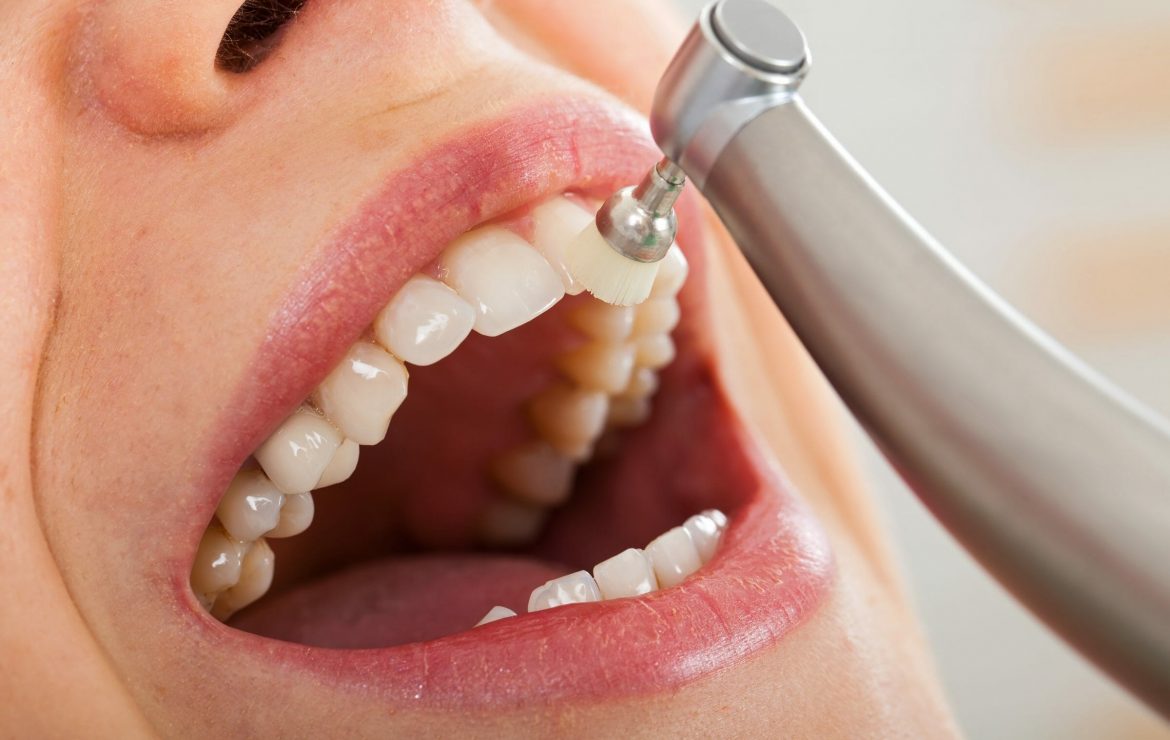
- Polishing: Your teeth are polished with gritted toothpaste to smooth the teeth and get rid of surface stains after scaling. This procedure also aids in getting rid of any leftover plaque.
- Fluoride Treatment (Optional): Some cleanings include fluoride to strengthen the enamel and provide additional protection against cavities.
2. The Benefits of Professional Teeth Cleanings
Professional teeth cleanings offer several important benefits for your oral health:
- Prevention of Gum Disease: Regular cleanings help prevent gum disease (gingivitis and periodontitis) by removing plaque and tartar that can irritate the gums and lead to inflammation and infection.
- Reduction of Cavities: Professional cleanings help reduce the risk of developing cavities by removing plaque that can lead to tooth decay.
- Fresh Breath: Regular cleanings help eliminate bacteria and food particles contributing to bad breath, leaving your mouth fresh and clean.
- Detection of Oral Health Issues: Your dentist or dental hygienist will check your teeth and gums during a professional cleaning for indications of oral health issues like cavities, gum disease, and oral cancer. Better results and prompt treatment are made possible by early detection.
- Aesthetics: Professional cleanings can remove surface stains and discoloration, improving the appearance of your teeth and giving you a brighter smile.
3. What to Expect During a Professional Cleaning
Knowing what to expect during a professional cleaning can help ease any anxiety you might have about the procedure:
- Initial Examination: Your dental hygienist or dentist will start by thoroughly examining your mouth. They may also take X-rays to check for issues not visible during a visual inspection.
- Scaling: The hygienist will remove plaque and tartar from your teeth using specialized instruments. This process may produce some noise and vibrations but should not be painful. If you have sensitive teeth or gums, let your hygienist know so they can adjust their technique as needed.
- Polishing: After scaling, your teeth will be polished with a rotating brush and gritty toothpaste. This step helps remove surface stains and smooth the teeth.
- Flossing: The dentist will floss your teeth to remove any remaining plaque and debris between your teeth and below the gumline.
- Fluoride Treatment (Optional): If your dentist recommends it, a fluoride gel or foam will be applied to your teeth to help strengthen the enamel and provide extra protection against cavities.
- Post-Cleaning Care: Your hygienist will advise on how to care for your teeth and gums following the cleaning, including recommendations for brushing, flossing, and any necessary follow-up appointments.
4. How Often Should You Get Professional Cleanings?
The frequency of professional teeth cleanings depends on factors like your oral health, risk of dental problems, and your dentist’s recommendations. Generally, most people should have a professional cleaning every six to twelve months. However, some individuals may need more frequent cleanings, such as:
- People with Gum Disease: If you have gum disease, your dentist may recommend more frequent cleanings to effectively manage and treat the condition.
- Individuals with High Cavity Risk: Those who are at higher risk for cavities due to factors such as diet, smoking, or a history of frequent cavities may benefit from more frequent cleanings.
- Patients with Certain Medical Conditions: Certain medical conditions, such as diabetes, can affect oral health and require more frequent dental visits.
Discuss your needs with your dentist to determine the appropriate cleaning schedule.
5. Tips for Maintaining Oral Health Between Cleanings
While professional cleanings are essential, maintaining good oral health between visits is equally important. Here are some tips to keep your teeth and gums healthy:
- Brush Twice a Day: Use fluoride toothpaste and brush your teeth for at least two minutes each time. Be sure to brush all surfaces of your teeth, including the back and chewing surfaces.
- Floss Daily: Plaque and food particles that your toothbrush can’t reach between your teeth and under your gum line can be removed with the aid of flossing.
- Use Mouthwash: An antimicrobial mouthwash can assist to reduce plaque and bacteria, providing extra protection for your teeth and gums.
- Maintain a Healthy Diet: Eat a balanced diet low in sugary and acidic foods. Foods rich in calcium and vitamins help strengthen your teeth and gums.
- Stay Hydrated: Keeping your mouth clean is made easier by drinking lots of water, which helps wash away bacteria and food particles.
- Avoid Tobacco Products: Gum disease, tooth decay, and oral cancer can all be attributed to tobacco usage, including smoking. Tobacco avoidance is essential for maintaining dental health.
- Visit Your Dentist Regularly: To monitor your oral health and take care of any potential problems, routine dental checkups are just as necessary as professional cleanings.
6. Addressing Dental Anxiety
If you experience anxiety about dental visits, consider the following strategies to make your appointments more comfortable:
- Communicate Your Concerns: Let your dentist and hygienist know about your anxiety. They can provide reassurance and take extra steps to ensure your comfort.
- Practice Relaxation Techniques: Use deep breathing, visualization, or listening to soothing music to help calm your nerves during the appointment.
- Consider Sedation Options: Sedation dentistry alternatives, like as oral sedation or nitrous oxide (laughing gas) may be given for individuals with extreme anxiety to help them relax during the cleaning.
Conclusion
Maintaining the best possible oral health greatly depends on routine professional teeth cleanings. In areas like Gangapur Road, Nashik, professional cleanings are essential for keeping teeth and gums healthy and smiles bright by eliminating plaque and tartar, avoiding gum disease, and identifying problems early. Regular cleanings and good at-home oral care practices contribute to overall well-being and prevent more serious dental problems.
Understanding the benefits and procedures of professional teeth cleaning can help alleviate fears or anxieties. By prioritizing your dental health and following your dentist’s recommendations, especially through routine teeth cleaning in Gangapur Road Nashik, you can ensure a healthier, happier smile for years.