Tooth damage, whether from deep decay, trauma, or extensive wear, can lead to serious complications if left untreated. Root canal treatment is a highly effective procedure for addressing severe tooth damage and restoring function and health to the affected tooth. In this blog, we’ll explore how root canal therapy addresses severe tooth damage, the process involved, and what you can do to ensure the best outcome for your treatment.
Understanding Severe Tooth Damage
What Constitutes Severe Tooth Damage?
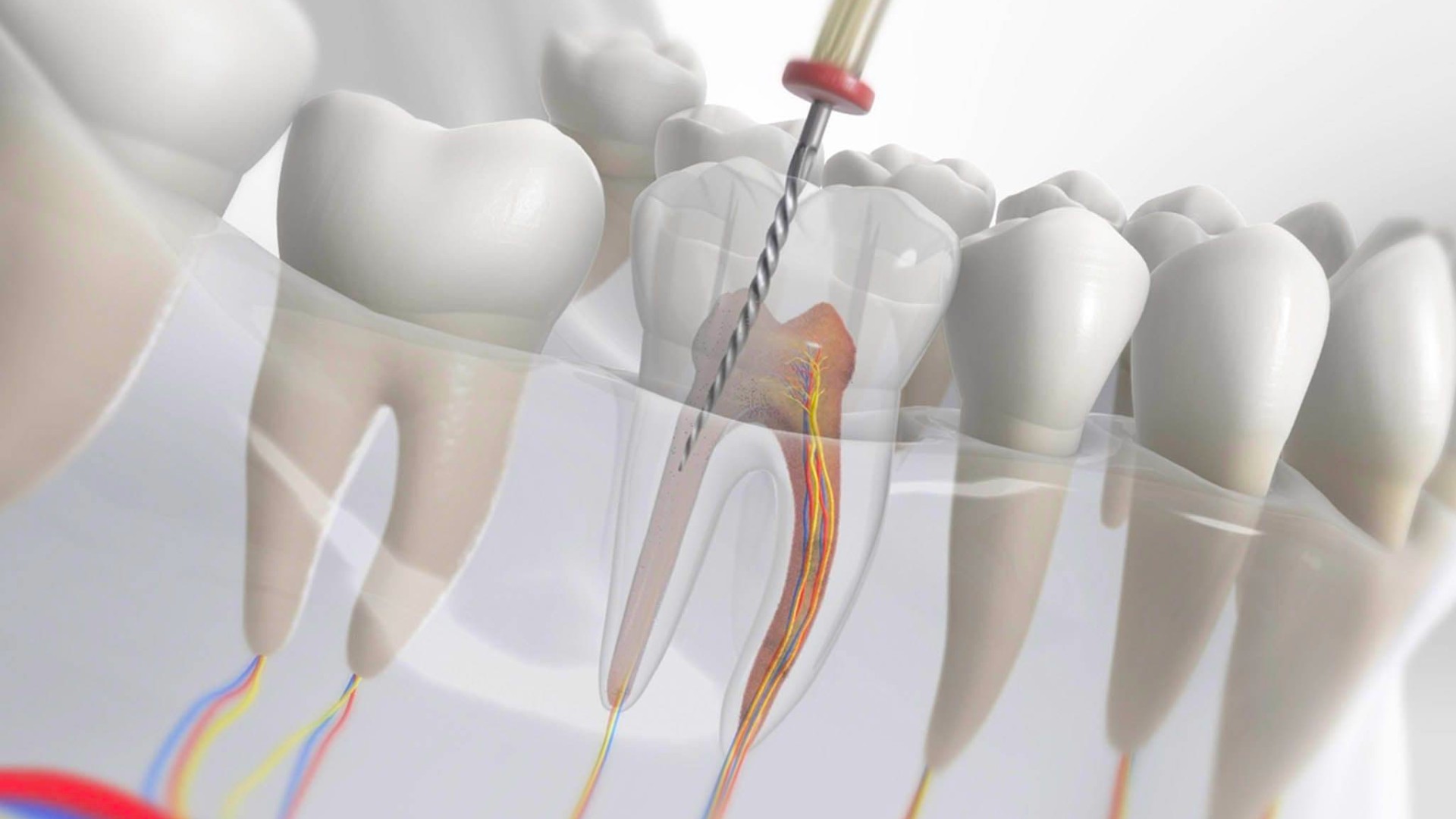
Severe tooth damage refers to extensive harm to a tooth that affects its pulp (the innermost part of the tooth containing nerves and blood vessels). This damage can result from:
- Deep Cavities: When tooth decay progresses beyond the enamel and dentin into the pulp, it can cause significant damage and discomfort.
- Trauma: Physical injuries from accidents or impacts can crack or fracture a tooth, potentially exposing the pulp to bacteria and infection.
- Advanced Wear: Prolonged wear and tear, such as from bruxism (teeth grinding) or acid erosion, can weaken a tooth and lead to pulp damage.
How Root Canal Treatment Helps
Root canal treatment addresses the issues caused by severe tooth damage by removing the infected or damaged pulp, disinfecting the root canals, and sealing them to prevent future problems. Here’s how the treatment works to address severe tooth damage: Selecting the appropriate dental clinic is very crucial for proper dental care. In case you are looking for root canal treatment in Karad, look no further than Chintamani Dental Home. If you have any dental issue, rest assured that you will be attended to by skilled professionals who will provide you with quality care as they address your concern.
The Root Canal Procedure for Severe Tooth Damage
- Initial Consultation and Diagnosis
To determine the degree of the damage and infection, your dentist will start with a comprehensive examination that frequently includes X-rays. This aids in creating a treatment plan that is suitable and catered to your individual requirements.
- Anesthesia and Preparation
The problematic tooth and the surrounding area are made numb by local anesthesia, which keeps you comfortable and pain-free during the process. In order to reduce discomfort, this step is essential.
- Removal of Damaged Pulp
The dentist makes a small opening in the tooth to access the pulp chamber and root canals. The canals are cleaned and disinfected to get rid of germs and debris after the diseased or damaged pulp is carefully removed.
- Filling and Sealing
The canals are filled with gutta-percha, a biocompatible substance, once they have been cleaned. By sealing the canals, this substance stops further infections. A permanent restoration, like a crown or filling, is then inserted to reinforce and safeguard the tooth after it has been temporarily sealed.
- Post-Procedure Care
After the treatment, you may experience mild to moderate discomfort or swelling, usually manageable with over-the-counter pain relievers. To guarantee appropriate healing, your dentist will provide detailed aftercare instructions.
What to Expect During and After Treatment
During the Procedure:
- Anesthesia: Local anesthesia will numb the area, so you should not feel pain during the procedure.
- Duration: The procedure typically takes one to two hours, depending on the case’s complexity and the damage’s extent.
After the Procedure:
- Recovery: Most patients experience improvement within a few days. Mild discomfort or swelling is normal but should subside with proper care.
- Oral Care: Maintain good oral hygiene by brushing and flossing regularly. Avoid hard or sticky foods that could stress the treated tooth.
- Follow-Up: Schedule follow-up appointments with your dentist to monitor the healing process and ensure the tooth is functioning properly.
Addressing Common Concerns
Is Root Canal Treatment Painful?
Root canal treatment is generally not painful due to local anesthesia. Medication can normally be used to relieve moderate post-treatment discomfort.
How Long Does It Take to Recover?
Recovery time varies, but most patients find relief from pain and discomfort within a few days. Appointments for follow-up are necessary to make sure the tooth is healing properly.
Are There Risks of Complications?
While root canal treatment is effective, there are small risks of complications, such as persistent infection or issues with the restoration. These risks are rare and can be managed with follow-up care.
How Effective is Root Canal Treatment for Severe Tooth Damage?
Root canal treatment is highly effective in addressing severe tooth damage. Studies show high success rates for root canal therapy, with many patients experiencing significant improvement in tooth function and relief from pain.
Preventing Future Tooth Damage and Maintaining Oral Health
Good Oral Hygiene:
To prevent further damage and decay, brush your teeth twice a day with fluoride toothpaste and floss daily. An antimicrobial mouthwash can help reduce bacteria and maintain oral health.
Healthy Diet:
Adopt a diet that supports dental health. Limit sugary and acidic foods and drinks that can contribute to tooth decay and erosion. Ensure your diet includes nutrients that promote strong teeth and gums.
Regular Dental Check-Ups:
Visit your dentist regularly for cleanings and exams. Routine check-ups help detect and address dental issues before they become severe, reducing the risk of future tooth damage.
Protecting Your Teeth:
Avoid habits that damage your teeth, such as grinding or chewing on hard objects. If you grind your teeth, discuss options with your dentist, such as a nightguard, to protect your teeth from further damage.
Conclusion
Root canal treatment is crucial for managing severe tooth damage, whether from deep decay, trauma, or advanced wear. By understanding the treatment process, what to expect, and how to care for your teeth afterward, you can confidently approach the procedure and relieve discomfort. Consult your dentist for personalized guidance and reassurance if you have concerns about severe tooth damage or root canal treatment. With proper care and follow-up, root canal treatment can effectively address severe tooth damage and help you maintain a healthy, functional smile.