The Himlung Expedition takes you into the heart of Nepal’s beautiful Himalayas. While the mountain is breathtakingly beautiful, the weather may be challenging and unpredictable. Understanding these circumstances is critical for anyone wishing to undertake this expedition.
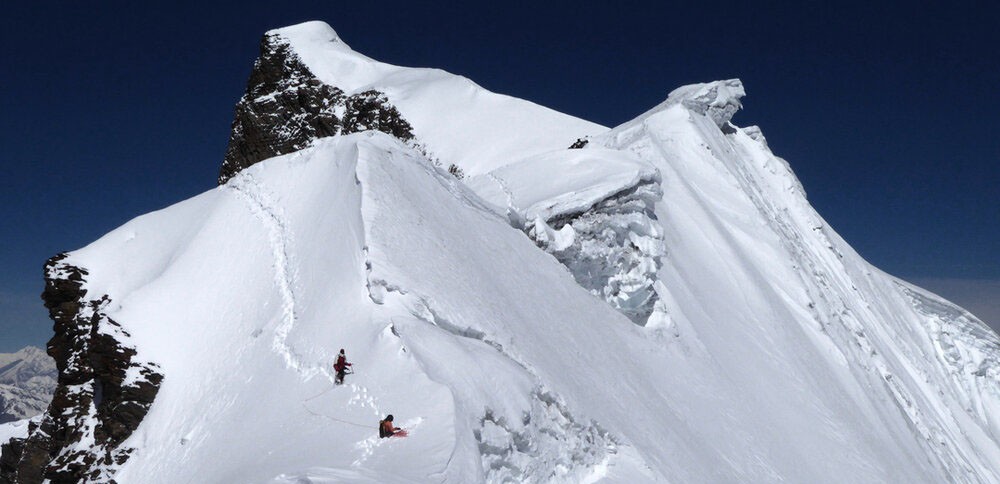
The Seasons and Their Impact
Spring (March to May)
Spring is one of the best times for the Himlung Expedition. The temperatures are relatively moderate, and the days are longer. However, it can still be quite cold, especially at higher altitudes. The weather is generally stable, but afternoon clouds and occasional snow showers are common. The blooming rhododendrons and clear skies make it a visually stunning time to climb.
Summer (June to August)
Summer brings the monsoon season, which is characterized by heavy rainfall and high humidity. The trails can become slippery and challenging, with a higher risk of landslides. The constant cloud cover obscures the magnificent views, and the leeches can be a nuisance. This season is generally not recommended for expeditions due to these difficult conditions.
Autumn (September to November)
Autumn is another popular season for the Himlung Expedition. The weather is stable, and the skies are clear, offering incredible views of the surrounding peaks. The temperatures start to drop as you ascend, especially in November. This period is considered ideal for climbing due to the favorable weather conditions and the post-monsoon freshness.
Winter (December to February)
Winter is the most challenging time for the Himlung Expedition. The temperatures can plummet drastically, and heavy snowfall can occur. The days are shorter, and the harsh conditions make it a less popular time for climbing. However, for those seeking solitude and a true test of endurance, winter provides a unique and rewarding experience.
Personal Experience: Facing the Elements
I remember my own Himlung Expedition vividly. We set out in early October, a time when the weather was supposed to be relatively stable. The first few days were perfect — crisp air, clear skies, and stunning views that made every step worthwhile. However, as we ascended, the weather began to change.
One afternoon, as we approached our high camp, dark clouds rolled in quickly. The temperature dropped, and a fierce wind started to blow. Within minutes, we were caught in a snowstorm. Visibility was reduced to just a few feet, and the cold was bone-chilling. We huddled together, using each other’s body heat to stay warm. It was a harrowing experience, but it brought our team closer together. We relied on each other for support and strength, pushing through the storm until we reached the safety of our camp.
Preparing for the Weather
Preparation is key when it comes to handling the unpredictable weather on the Himlung Expedition. Here are some tips based on my experience:
- Layering: Wear multiple layers of clothing to adjust to the changing temperatures. Start with a moisture-wicking base layer, add an insulating middle layer, and finish with a waterproof and windproof outer layer.
- Stay Dry: Keeping dry is crucial. Wet clothes can lead to hypothermia, especially in cold conditions. Invest in high-quality, waterproof gear and always carry extra clothing in a dry bag.
- Acclimatize Properly: Give your body time to adjust to the altitude. Ascend slowly and take rest days as needed to prevent altitude sickness.
- Check Weather Reports: Regularly check the weather forecast and be prepared to adjust your plans if conditions worsen.
- Hydrate and Eat Well: Dehydration and lack of nutrition can impair your ability to stay warm. Drink plenty of fluids and eat high-energy foods to keep your body fueled.
The Emotional Toll
The weather on the Himlung Expedition can be emotionally taxing. The sudden changes can create anxiety and stress, testing your mental resilience. But it’s in these moments of adversity that you find inner strength and the support of your team becomes invaluable. There were times when I felt overwhelmed, but a shared laugh or a word of encouragement from a fellow climber made all the difference.
Conclusion
Understanding and appreciating the weather conditions on the Himlung Expedition is critical to a safe and successful ascent. Each season presents its own mix of obstacles and beauty, making each excursion unique. By properly planning and relying on your team, you may confront the elements and emerge with amazing memories and a strong sense of success. The trip is challenging, but the benefits are amazing.