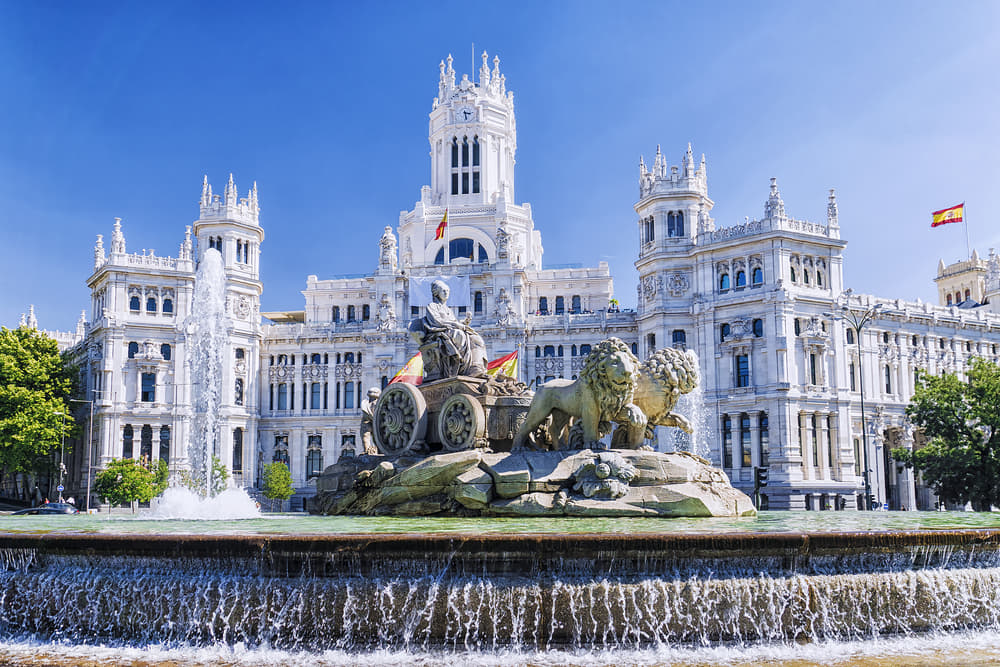
 Spain’s architectural heritage is a mesmerizing tapestry woven from various cultural influences, each contributing to its rich and diverse architectural landscape. From the striking modernist creations of Antoni Gaudí to the intricate beauty of Moorish palaces, Spain’s buildings reflect a deep history of artistic and cultural evolution. Exploring these architectural marvels offers a fascinating journey through the country’s artistic achievements and historical transformations.
Madrid, Spain’s vibrant capital, serves as a gateway to many of the country’s architectural treasures. Madrid tour packages often includes guided visits to some of the city’s most iconic landmarks, providing an immersive experience into Spain’s architectural heritage. The city’s mix of historic and contemporary architecture offers a snapshot of Spain’s artistic evolution. Among the highlights are the Royal Palace of Madrid, a stunning example of Baroque architecture, and the Prado Museum, renowned not just for its art collection but also for its neoclassical façade. For those interested in modern architecture, Madrid also boasts striking examples such as the Cuatro Torres Business Area, showcasing the city’s embrace of contemporary design.
However, Madrid is only the beginning of Spain’s architectural odyssey. Venturing beyond the capital, visitors can immerse themselves in the eclectic works of Antoni Gaudí in Barcelona. Gaudí, one of Spain’s most celebrated architects, revolutionized architectural design with his imaginative and highly unique creations. His masterpieces, such as the Sagrada Família, Park Güell, and Casa Batlló, exemplify his genius in blending organic forms with intricate detail, creating structures that are both whimsical and awe-inspiring.
The Sagrada Família, Gaudí’s magnum opus, stands as a symbol of Barcelona and a testament to his architectural vision. This basilica, still under construction more than a century after it was started, combines Gothic and Art Nouveau styles into a breathtaking display of elaborate façades and soaring towers. Each element of the Sagrada Família is meticulously crafted, with intricate sculptures and stained glass windows that tell the story of the Christian faith. The basilica’s ongoing construction continues to captivate visitors and is a testament to Gaudí’s enduring influence on modern architecture.
In addition to Gaudí’s creations, Barcelona is home to several other architectural gems that reflect a broader spectrum of styles. Casa Milà, also known as La Pedrera, showcases Gaudí’s innovative approach to design with its undulating stone façade and wrought-iron balconies. The building’s interior is equally remarkable, featuring an expansive attic with a series of conical arches that support the structure’s roof. Another notable Gaudí work is the colorful and fantastical Park Güell, a public park that combines natural elements with whimsical designs, offering visitors panoramic views of Barcelona.
Spain’s architectural wonders extend beyond Catalonia, with the southern region of Andalusia offering a glimpse into the Islamic architectural legacy that has left an indelible mark on the country. The Alhambra, a stunning palace and fortress complex in Granada, epitomizes Moorish architectural splendor. Built during the Nasrid dynasty, the Alhambra is renowned for its intricate tile work, delicate stucco ornamentation, and beautifully landscaped gardens. The Alhambra’s Nasrid Palaces, with their intricately carved wooden ceilings and serene courtyards, are a testament to the artistic and architectural achievements of the Moorish period.
Equally captivating is the Mezquita of Córdoba, a mosque-turned-cathedral that stands as a monument to the region’s diverse religious history. Originally constructed as a mosque in the 8th century, the Mezquita is famous for its forest of red-and-white striped arches and expansive prayer hall. Following the Reconquista, the mosque was converted into a cathedral, resulting in a unique fusion of Islamic and Christian architectural elements. The Mezquita’s blend of cultures reflects the complex history of Andalusia and provides a stunning example of how architectural styles can evolve over time.
Seville, another gem of Andalusia, is home to the Giralda, a former minaret of a mosque that was transformed into a bell tower for the Seville Cathedral. The Giralda’s design is a testament to the seamless integration of Moorish and Gothic architectural styles. Its slender, elegant silhouette and decorative details showcase the intricate craftsmanship of the Islamic period, while its adaptation into a Christian bell tower highlights the city’s historical transitions.
Spain’s architectural wonders are not limited to its grand palaces and cathedrals. The country’s smaller towns and cities also boast remarkable buildings that reflect regional architectural styles and historical influences. For example, the medieval town of Toledo features a rich mix of Christian, Jewish, and Moorish architectural elements, evident in its narrow streets and historic buildings. Similarly, the city of Salamanca is renowned for its stunning sandstone architecture, including the ornate façade of the University of Salamanca, one of the oldest universities in Europe.
Traveling through Spain offers an unparalleled opportunity to explore its architectural diversity and history. Whether admiring the fantastical designs of Gaudí in Barcelona, marveling at the Moorish splendor of the Alhambra, or discovering the architectural treasures of Madrid and Andalusia, Spain’s buildings provide a fascinating window into its cultural and artistic heritage. Each structure tells a story of a bygone era, reflecting the influences and innovations that have shaped Spain’s rich architectural legacy.
In conclusion, Spain’s architectural landscape is a testament to its rich history and cultural evolution. From Gaudí’s imaginative creations to the intricate beauty of Moorish palaces, the country offers a diverse range of architectural wonders that captivate and inspire. Exploring these landmarks provides a deeper understanding of Spain’s artistic achievements and historical transformations, making it a truly remarkable destination for architecture enthusiasts and history buffs alike.